Ladder Cable Tray
Ladder-type (LTCT) heavy-duty cable support system. LTCT Trays available in the below material.
- Pre-coated
- Hot Dip Galvanized Steel
- Stainless Steel
- Powder Coated
- Enamel Spray coated. These cable trays provide easily to fixing cable to provide clamping, ties and fastening to ensure cables uniformly management.


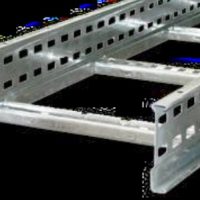


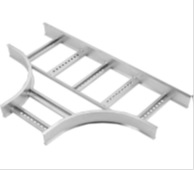
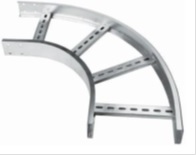
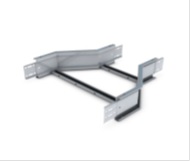
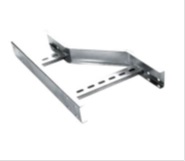
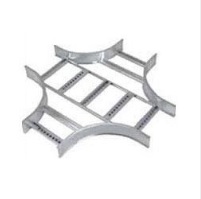
Ladder Cable Trays for Industrial Cable Management
Managing electrical cables efficiently is important for keeping industrial and commercial installations organised. A ladder cable tray gives a structured route for supporting cables between electrical panels, machinery, and other equipment. Its ladder-like design consists of side rails connected by cross members, helping support cables along the planned route.
Ladder cable trays are commonly considered for installations where cable accessibility and organised routing are important. Selecting the right tray depends on the cable load, installation layout, support spacing, and surrounding environment.
Vaidavi Enterprises offers a product page for ladder cable trays. Customers can enquire about available specifications to find a suitable option for their project requirements. You can also explore our wider range of cable management structures.
What Is a Ladder Cable Tray?
A ladder cable tray is a cable support system designed with two side rails connected by regularly spaced rungs. Cables are placed along the tray and supported at intervals, depending on the installation design.
Compared with a solid bottom cable tray, a ladder cable tray has an open structure that allows airflow around the cables. This design can also give convenient access for inspection and maintenance. The right option depends on the type of cables and the conditions in which they will be installed.
Key Features and Benefits of Ladder Cable Trays
1. Organised Cable Routing
Ladder cable trays help keep electrical cables arranged along designated paths. This can reduce cable clutter and make installations easier to manage.
2. Open Ladder-Style Design
The open structure allows airflow around the cables and gives access to the cable route. Actual ventilation depends on the installation and cable arrangement.
3. Convenient Maintenance
A well-planned tray system can make it easier for technicians to inspect cables, identify routes, and carry out maintenance when required.
4. Support for Different Installations
Ladder cable trays can be considered for various industrial and commercial projects. Tray dimensions and configurations should be selected according to the installation requirements. For heavier installations, see our heavy angular ladder cable tray.
5. Better Cable Management
Using a suitable cable support system helps keep cables organised and supports a more structured electrical installation.
Applications of Ladder Cable Trays
Ladder cable trays may be suitable for a range of applications, including:
- Factories and industrial facilities: For routing cables between machinery and electrical equipment. See our industrial products range.
- Commercial buildings: For organising cables along designated service routes.
- Electrical distribution systems: For supporting cables according to the installation layout.
- Infrastructure projects: For cable routing where the selected tray meets project specifications.
- Machinery and utility installations: For maintaining organised cable routes around suitable equipment.
The final selection should be based on the project design and applicable installation requirements.
How to Choose the Right Ladder Cable Tray
Before purchasing a ladder cable tray, consider these important factors:
- Cable load: Calculate the total weight of the cables the tray will support.
- Tray dimensions: Select a suitable width, depth, and length for the cable arrangement.
- Material and finish: Consider the installation environment and corrosion protection requirements.
- Support spacing: Ensure the tray and its supports meet the required load specifications.
- Installation conditions: Account for indoor or outdoor use and exposure to moisture or chemicals where applicable.
- Accessories: Check the need for connectors, brackets, supports, and compatible cable support accessories and fasteners.
- Maintenance access: Plan sufficient space for cable inspection and servicing.
Confirm the product specifications and load capacity before placing an order. If you are weighing designs, compare this tray with our perforated cable tray.